Recognizing Excellence: Postdoc Receives Best Presentation Award for Translational Cancer Research
By: Chanelle Kamga
Department of CMGM
VCU School of Medicine
Email: Kamganguekacb@vcu.edu
Date: December 16, 2025
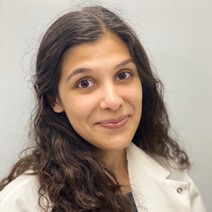
We are proud to congratulate Dr. Anna Kovilakath, a postdoctoral fellow in Dr. Salloum and Dr. Cowart’s lab in the Department of Cellular, Molecular, and Genetic Medicine, who was awarded Best Presentation at the 2025 Commonwealth of Virginia Cancer Research Conference (CVCRC) on November 14–15. Her winning talk was titled:
“Atypical Sphingolipids Contribute to Aromatase Inhibitor–Induced Atherosclerosis.”
In this award-winning presentation, Dr Kovilakath demonstrated that aromatase inhibitors (AIs) accelerate atherosclerosis by dysregulating sphingolipid metabolism, specifically by activating the atypical sphingolipid-producing enzyme SPTLC3. Using a comprehensive multi-scale strategy: spanning population-level EHR analyses, mechanistic in vitro macrophage studies, atherosclerosis-prone mouse models, and a clinical coronary CT imaging cohort, her research revealed that AI exposure increases cardiovascular disease risk, promotes macrophage foam cell death and apoptosis, elevates circulating atypical sphingolipids, and enhances coronary plaque burden. These findings position SPTLC3 as both a mechanistic driver and a promising biomarker of AI-associated atherosclerosis.
The judges noted that the presentation stood out for its exceptional translational design, successfully linking clinical cardiovascular toxicity to a discrete molecular pathway. Tracing cardiovascular risk from enzyme activity to plaque behavior in patients distinguished this work as both innovative and clinically actionable.
Dr Kovilakath shared that the most valuable part of CVCRC was the opportunity to present to an interdisciplinary audience of cancer biologists, epidemiologists, and translational researchers. The feedback and discussions paved the way for collaborations in cardiovascular imaging, biomarker validation, and the development of survivorship-focused interventions.
This research directly addresses a critical issue in cancer survivorship, as cardiovascular disease is now the leading cause of mortality among long-term breast cancer survivors. By uncovering a previously unrecognized, lipid-driven mechanism of AI-associated atherosclerosis, this work lays the foundation for improved cardiovascular screening, personalized endocrine therapy decisions, and targeted prevention strategies that protect heart health without compromising cancer outcomes.
When asked about her next steps, she emphasized expanding this work using macrophage-specific SPTLC3 genetic models to test whether targeting this pathway can prevent AI-accelerated atherosclerosis directly. She will continue validating circulating atypical sphingolipids as predictive biomarkers of plaque progression in larger cohorts of breast cancer survivors.
Winning this award was deeply meaningful for DR. Kovilakath, reinforcing the importance of mechanistic cardio-oncology research and strengthening her confidence as an early-career investigator making impactful scientific contributions.
Please join us in congratulating Dr. Anna Kovilakath on this outstanding achievement and on representing the Salloum and Cowart labs with excellence!